

Why luxury homes sell differently
If you’re figuring out how to sell a luxury home in Denver, the first thing to know is that the rules of a typical sale still apply, but the margin for error shrinks. There are fewer buyers at the top of any market, fewer truly comparable homes, and buyers who notice everything: the quality of a remodel, the privacy of the lot, the way the light moves through the main rooms. Pricing, presentation and negotiation all carry more weight.
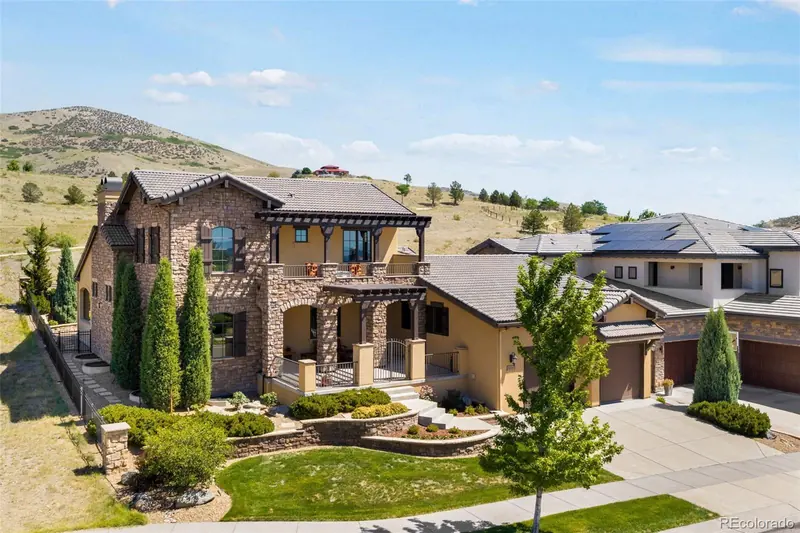
I sold 14904 W Evans Pl in Solterra in 3 days at full asking price. Every home and every market moment is different, so that isn’t a promise for any other sale, but it reflects the approach below: a well-supported price, a polished launch, and careful handling of the details.
Key takeaways
- Price from the handful of truly comparable homes, not neighborhood averages.
- Prepare for inspection and gather your documents before you list.
- Presentation (staging, photography and copy) is what buyers see first.
- Negotiate the whole offer, not just the price, and track every contract deadline.
Step 1 Set your goals and timeline
Before we talk numbers, we talk about you. When do you need to move? Are you buying your next home first, selling first, or hoping to line the two up? Would a short rent-back after closing make life easier? How private do you want the sale to be? Your answers shape the pricing strategy, the launch date and the terms you’ll ask for. If you’re buying and selling at the same time, talk with your lender early about your options.
Step 2 Price from the right comparables
Luxury pricing is where experience matters most. True comparables are rare: a Wash Park new build, a Hilltop ranch on a wide lot and a custom home inside the gates at The Village at Castle Pines each need their own set of comparisons. I start from the closest recent sales, then adjust for lot size and orientation, views, architecture, condition, finish level and updates. Then I look hard at what is actively competing, because buyers compare your home with what they can tour this weekend.
Two more things to weigh:
- Search behavior. Buyers and their agents search in price ranges. Where your list price falls relative to common search limits affects who sees the home.
- Appraisal. If your buyer is financing, the appraiser will need support for the price. A one-of-a-kind home needs a well-documented case.
A strong launch price creates momentum. An ambitious one often means chasing the market later. The “What’s my home worth?” tool is a helpful first read; a private walk-through turns it into a plan.
Step 3 Prepare the home and the paperwork
The goal is to remove reasons for a buyer to hesitate. Small fixes usually matter more than big projects:
- Get ahead of inspection. Address the items an inspector is likely to flag, or know about them in advance so you can repair, price or disclose on your terms. In older Denver homes, sewer lines, foundations, roofs and aging systems deserve attention. A pre-listing inspection can help.
- Refresh, don’t remodel. Paint where needed, lighting, landscaping and a deep clean tend to pay off. Major renovations rarely return their cost before a sale.
- Gather documents. Permits, warranties, a list of improvements with dates, HOA and metro district information, and any design-review approvals (for example, in a historic district or a covenant-controlled community) help buyers and appraisers see value that doesn’t show in photos.
Step 4 Stage for the way buyers want to live
Staging helps buyers understand scale and flow, and it gives every room a clear purpose. In an occupied home, that often means editing: removing personal items and excess furniture so the architecture and views lead. In a vacant home, properly scaled furniture keeps large rooms from feeling cold or hard to read. Don’t forget the outdoor living spaces; in Colorado, patios, decks, fire features and views are a big part of what buyers are paying for. Depending on the home, that may call for full professional staging or a design consultation that works with what you have.
Step 5 Photography, video and the listing story
Most buyers meet your home online first, so the launch materials matter. Professional photography is the foundation. Depending on the home, the package can also include a video walkthrough, twilight images, a floor plan, and aerial photography or video from a licensed drone operator to show acreage, views and proximity to open space or a golf course.
Listing copy should tell buyers what makes the home singular and answer their first questions: what’s included, how the HOA and any club memberships work, and what’s been updated. From there, targeted digital and social exposure puts the home in front of qualified buyers.
Step 6 Choose your timing
Many sellers aim for spring and early summer, when gardens are green, days are long and many families are planning moves around the school year. But luxury buyers relocate year-round, and the right timing for your home depends on the competition in your price range, your own plans and your home’s best season. A home with a pool or a showpiece garden photographs best in summer; a home with dramatic mountain views can look spectacular on a clear winter day. What matters most is being fully ready when you launch, because the first days on the market typically draw the most attention.
Step 7 Showings, privacy and security
Luxury sellers often want showings to be both convenient and discreet. Scheduled appointments, clear instructions for buyer’s agents, and coordinated access in gated communities keep things smooth. Before the first showing, secure valuables, prescriptions and personal documents, and think about what your listing photos reveal. For private showings, it’s reasonable to ask that buyers be pre-approved or show proof of funds first.
Step 8 Negotiate the whole offer
The highest price isn’t always the strongest offer. When offers arrive, we review every term together:
- Financing: cash or loan, the lender’s strength and the size of the down payment.
- Earnest money and how firm the buyer’s commitments are.
- Appraisal terms: what happens if the appraisal comes in below the price.
- Inspection approach and the timeline for objections.
- Closing and possession dates, including any rent-back.
- Inclusions: furniture, art, fixtures or equipment the buyer would like to keep.
With multiple offers, the strategy may be to counter one, ask everyone for their best terms, or accept outright. With a single offer, careful counters protect your price and your timeline.
Step 9 Under contract: Colorado basics
Most Colorado residential sales use the Colorado Real Estate Commission’s approved Contract to Buy and Sell Real Estate (Residential). Its Dates and Deadlines section sets the timeline for the steps that follow, including:
- Seller disclosures. Sellers commonly complete the Commission’s Seller’s Property Disclosure form, and homes built before 1978 require a federal lead-based paint disclosure.
- Title. A title company issues a title commitment for review; the contract specifies who pays for the owner’s title insurance policy.
- Association documents for HOA or community-association properties.
- Inspection, followed by the buyer’s objection and a negotiated resolution if needed.
- Appraisal and the buyer’s loan, if the buyer is financing.
- Closing, usually handled by a title company.
Missed deadlines can change who holds the leverage, so I track every date and keep you informed through closing day. This is a general overview, not legal or tax advice; for questions about your specific situation, including taxes on the sale, talk with a real estate attorney or CPA.
For market-specific advice, see how I approach selling in Denver, Lakewood, Castle Pines, Highlands Ranch, Parker and Castle Rock.