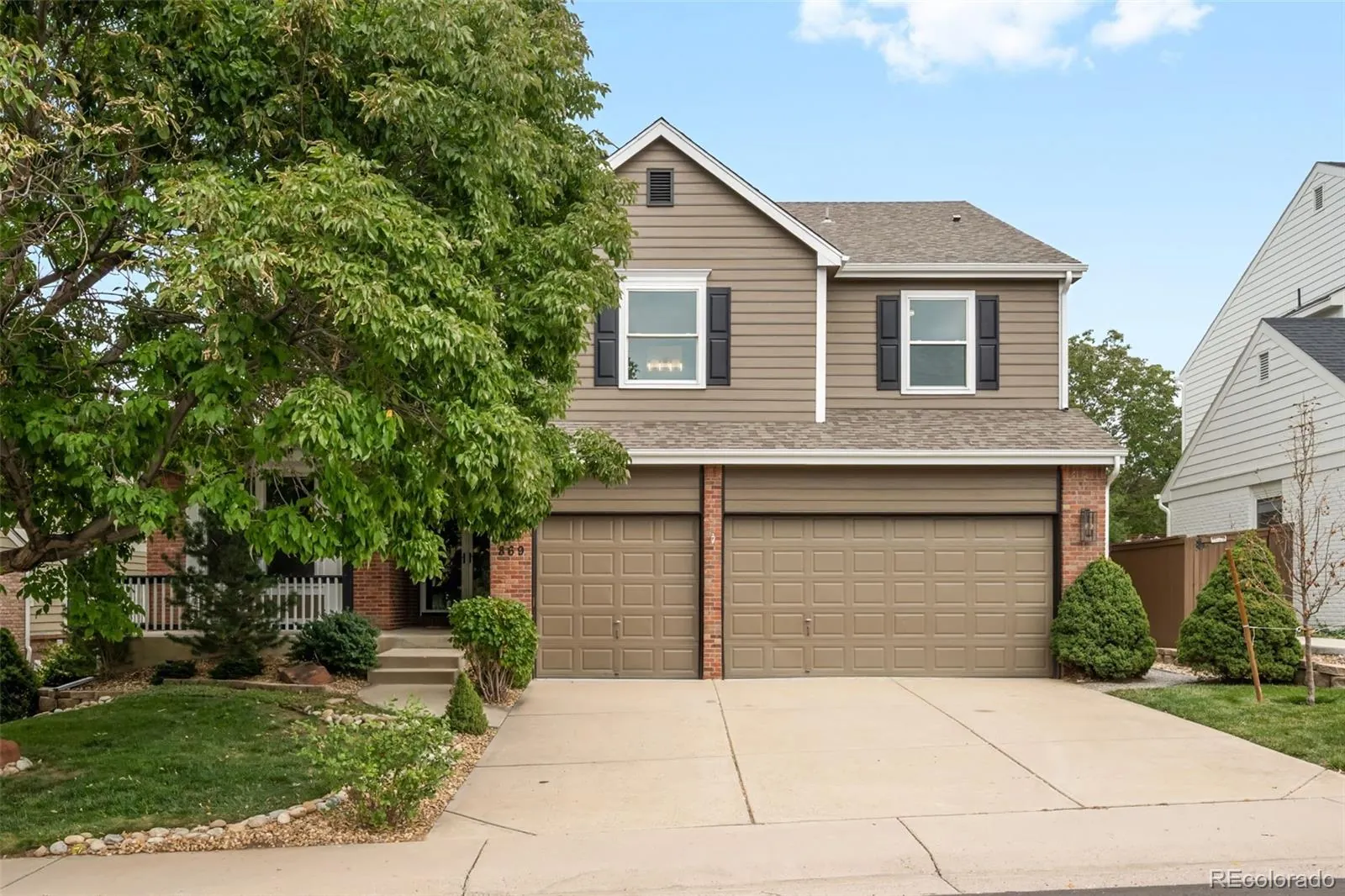

Highlands Ranch at a glance
Highlands Ranch is a large master-planned community about 12 miles south of Denver in unincorporated Douglas County. It isn’t a city, so services come from a metro district, a community association, the county and a fire district. In return you get four recreation centers, a big trail and open-space system, and an easy hop onto C-470 toward I-25, the Tech Center and the foothills.
Sources: U.S. Census Bureau ACS 2020–2024 5-year estimates; OpenStreetMap routing from Highlands Ranch Town Center; Highlands Ranch Community Association.
Key takeaways
- Highlands Ranch is unincorporated Douglas County, and every public school is in Douglas County School District.
- Nearly every home pays the HRCA assessment, and tax bills include the metro district levy.
- It is largely built out, so most buyers choose among resale and remodeled homes.
- The metro district maintains 26 parks, 70+ miles of trails and 2,644 acres of open space.
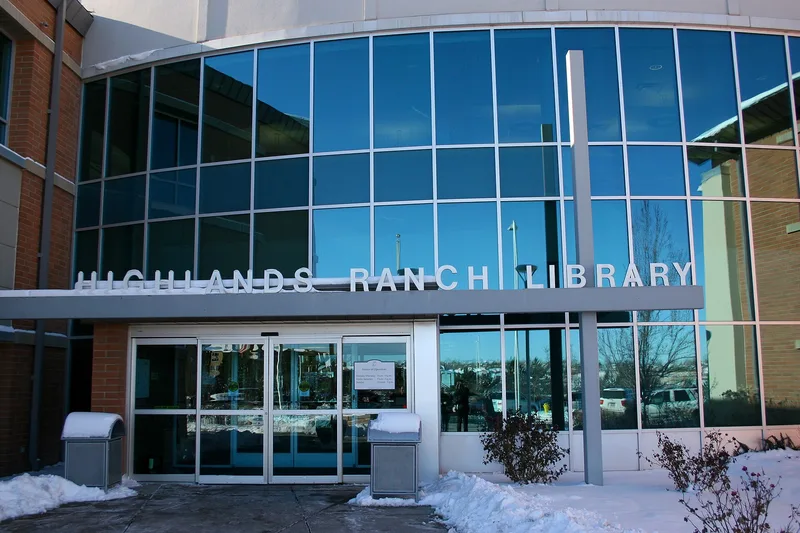
Cost of living and home prices
I only use published numbers here, and I tell you where each one comes from. The U.S. Census Bureau’s American Community Survey (2020–2024 5-year estimates) reports for Highlands Ranch:
| Measure | Highlands Ranch | Denver (for comparison) |
|---|---|---|
| Median value, owner-occupied homes | $712,700 | $616,000 |
| Median household income | $159,307 | $94,718 |
| Population | 102,257 | 718,877 |
Source: U.S. Census Bureau, ACS 2020–2024 5-year estimates, tables B25077, B19013 and B01003 (Highlands Ranch census-designated place).
The Census median value is what owners estimate their homes are worth, based on survey responses collected over five years (2020–2024). It is useful for comparing towns, but it is not today’s list price. Highlands Ranch ranges from townhomes and starter neighborhoods to gated enclaves with custom homes, so two homes a mile apart can live very differently. When you are ready, I’ll pull recent closed sales for the exact enclaves and price range you are considering.
Who provides what
Because Highlands Ranch is unincorporated, it helps to know who does what before you compare homes and costs:
- Highlands Ranch Metro District: parks, trails, open space and major roads. It maintains 26 public parks, more than 70 miles of trails and 2,644 acres of open space, and owns the historic Highlands Ranch Mansion.
- Highlands Ranch Community Association (HRCA): four recreation centers (Eastridge, Northridge, Southridge and Westridge), the roughly 8,200-acre Backcountry Wilderness Area, community events, and architectural control and covenant enforcement.
- Public safety: the Douglas County Sheriff’s Office handles policing, and South Metro Fire Rescue provides fire protection.
- Schools: every public school is part of Douglas County School District.
Property taxes and fees
Colorado property taxes follow one formula: actual value × assessment rate = assessed value, then assessed value × mill levy = tax. For tax year 2026, Douglas County lists residential assessment rates of 7.05% for school districts and 6.8% for other local governments, after a legislative 10% reduction of the first $700,000 of actual value. Mill levies are set each December by the taxing authorities for that address, such as the school district, county, fire district and any special districts.
Fees stack up in layers here
Most Highlands Ranch homes carry three cost layers: the metro district levy on the property tax bill, the HRCA assessment, and in some enclaves such as BackCountry and Weatherstone, sub-association dues for gates, clubhouses or pools. Before you offer, look up the parcel on the Douglas County Assessor site and ask for current HRCA and sub-association amounts. My metro districts guide explains how the levy works.
Commutes to Denver, DTC and light rail
Driving distances below start at Highlands Ranch Town Center on West Highlands Ranch Parkway. Times are traffic-free estimates from OpenStreetMap routing; rush hour on C-470 and I-25 is longer, so test the drive at the hour you would really commute.
| Destination | Distance | No-traffic estimate |
|---|---|---|
| Mineral Station, Littleton (light rail) | about 4 mi | about 7 min |
| Park Meadows, Lone Tree | about 8 mi | about 12 min |
| Lincoln Station, Lone Tree (light rail) | about 9 mi | about 11 min |
| Inverness business park | about 11 mi | about 16 min |
| Denver Tech Center (DTC) | about 14 mi | about 20 min |
| Downtown Denver (Union Station) | about 17 mi | about 25 min |
| Denver International Airport | about 41 mi | about 45 min |
| Downtown Colorado Springs | about 60 mi | about 70 min |
There are no light rail stations inside Highlands Ranch, but RTD’s lines run close on both sides: the Southwest line ends at Mineral Station in Littleton, and the Southeast line runs through Lone Tree. Many residents drive to a station and ride downtown for games and concerts.
Weather near 5,900 feet
NOAA doesn’t publish climate normals for Highlands Ranch itself, so here are the 1991–2020 normals for the closest stations: Centennial Airport (about 5,880 feet) to the east, and Kassler and Marston to the southwest and northwest:
Source: NOAA NCEI 1991–2020 climate normals, stations USW00093067 (Denver Centennial Airport), USC00054452 (Kassler) and USC00055402 (Marston Filter Plant).
Snow mostly falls from November through April and usually melts within a few sunny days, and summer afternoons bring the most rain and the occasional hailstorm. If you are moving from coastal California or the Texas Gulf, expect drier air, stronger sun at altitude and big day-to-night temperature swings; plan for good tires and a snow shovel.
Rec centers, trails and the Backcountry
HRCA
Four recreation centers
Eastridge, Northridge, Southridge and Westridge, with more than 329,000 square feet of pools, gyms, fitness and classes for HRCA members. Ask which one is closest when you tour; it is often the one you’ll use most.
Southern edge
Backcountry Wilderness Area
About 8,200 acres of protected open space managed by the HRCA, with trails, wildlife and guided programs for members.
Highlands Ranch Metro District
Parks, trails and open space
26 public parks, more than 70 miles of trails and 2,644 acres of open space. More than 4,700 homes back to open space.
Sources: Highlands Ranch Community Association; Highlands Ranch Metro District.
Town Center, shopping and the Mansion
Everyday shopping and dining cluster around Highlands Ranch Town Center and the main parkways, and Park Meadows in Lone Tree is about 8 miles away. The Highlands Ranch Mansion, which began as a stone farmhouse in 1891, is owned by the metro district and offers free self-guided and guided historic tours during open hours. It is also a popular spot for community events.
Schools
Every public school in Highlands Ranch belongs to Douglas County School District. Schools that serve Highlands Ranch include:
- High schools: Highlands Ranch High School, Mountain Vista High School, Rock Canyon High School and ThunderRidge High School
- Middle schools: Cresthill, Mountain Ridge, Ranch View and Rocky Heights middle schools
- Elementary: neighborhood elementary schools across the community, plus charter options
Attendance boundaries change, so confirm the assigned schools for a specific address with Douglas County School District before you buy.
Neighborhoods to consider
BackCountry
A gated community with a staffed entry on the southwestern edge, bordering the Backcountry Wilderness Area. Residents share the Sundial House clubhouse with pools, fitness and dining.
BackCountry homesWeatherstone
An established neighborhood in southern Highlands Ranch with quiet cul-de-sacs and a private, residents-only pool run by its own HOA.
Weatherstone homesHighwoods and Falcon Hills
Highwoods is a smaller gated neighborhood of estate-scale homes on larger lots; Falcon Hills is one of the original executive neighborhoods, with gated sections and mature lots.
Highlands Ranch luxury homesFor a deeper look, see my Highlands Ranch buyer’s guide, Highlands Ranch luxury homes and Highlands Ranch realtor pages. Comparing suburbs? Read Highlands Ranch vs. Parker and how to choose the right Denver suburb.
Tips for out-of-state buyers
- Start with video. I can walk homes with you live on FaceTime or Zoom and record neighborhood drives so you can narrow the list before you fly in.
- Get pre-approved early. A Colorado-licensed lender can explain local costs, including HOA dues and metro district payments.
- Learn the Colorado contract. Colorado uses state-approved forms with firm dates for inspection, appraisal and loan. See my contract deadlines guide.
- Check taxes by parcel. Use the Douglas County Assessor to see every taxing district for an address.
- Test the commute. Drive C-470 and I-25 at your real commute hour on your visit.
- Get every fee in writing. Ask for the current HRCA assessment and any sub-association dues, and check the metro district levy on the tax bill.
- Plan the closing. Ask your title company about remote or mail-away signing if you can’t be here.
Moving from farther away? My Colorado relocation page compares every town I serve, and you can get my free Colorado relocation guide there. Also weighing Parker or Castle Rock? Read my Moving to Parker and Moving to Castle Rock guides.