
The short answer
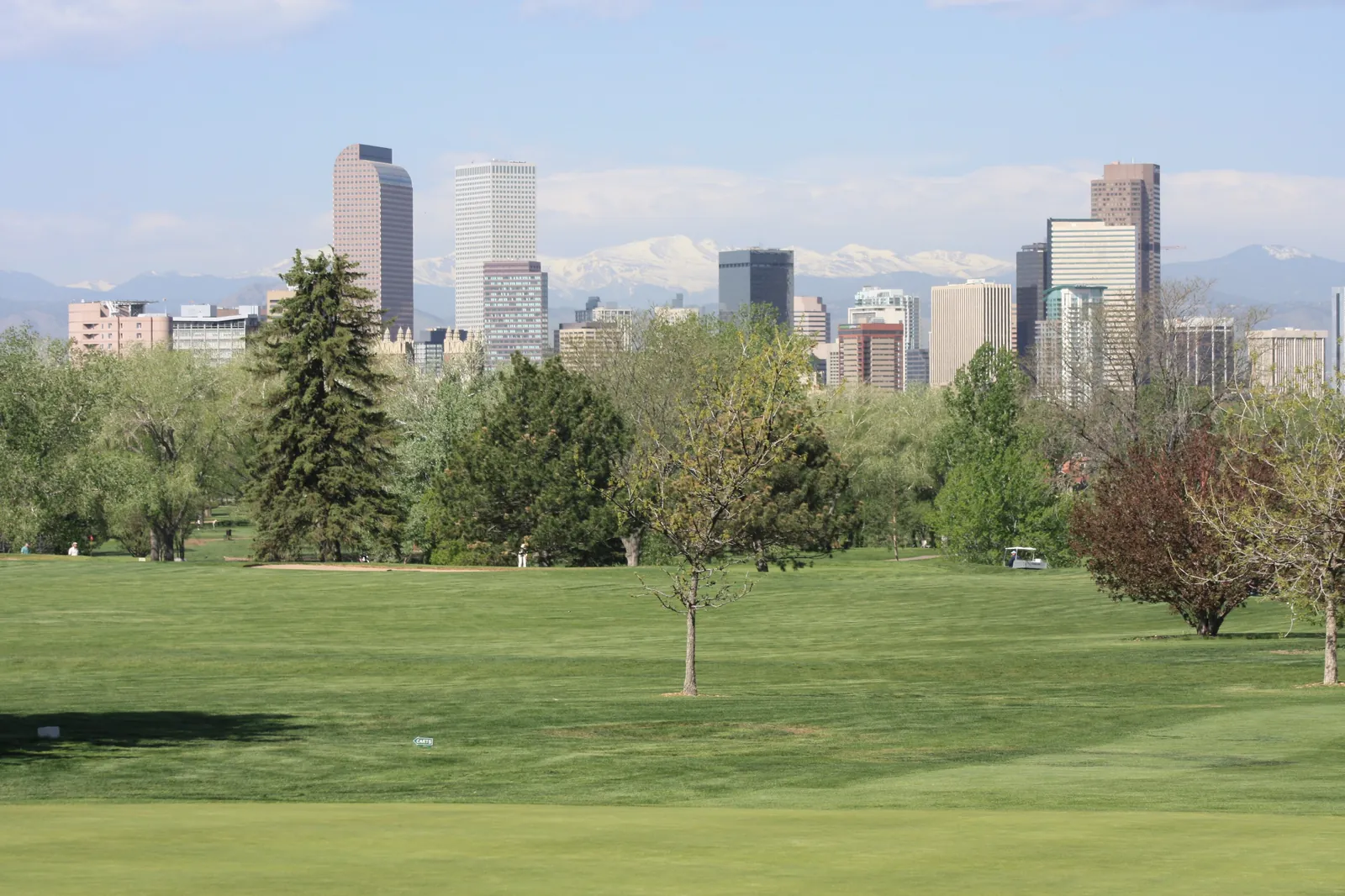
Denver vs. Colorado Springs usually comes down to pace, price and where you need to be. Denver is the bigger, denser capital city, with light rail, the larger airport and the higher Census home values. Colorado Springs is spread out at the foot of Pikes Peak, a little higher and a little milder in summer, with lower Census home values and a strong military and Olympic presence.
I grew up in Castle Rock, right between the two, and I help buyers and sellers in both cities. Neither one is better across the board. The right choice depends on where you work, how often you fly, and the kind of city you want to come home to.
Key takeaways
- The Census median owner-occupied home value is $616,000 in Denver and $452,600 in Colorado Springs (ACS 2020–2024).
- Downtown to downtown is about 70 miles on I-25; there is no train, but Bustang buses connect them.
- Denver has light rail and a train to the airport; Colorado Springs is mostly a driving city.
- Colorado Springs averages about 23 days a year at 90°F+, compared with about 64 in central Denver (NOAA).
Denver vs. Colorado Springs side by side
| Measure | Denver | Colorado Springs |
|---|---|---|
| Population (ACS 2020–2024) | 718,877 | 487,887 |
| Median value, owner-occupied homes | $616,000 | $452,600 |
| Median household income | $94,718 | $84,818 |
| Median gross rent | $1,831 | $1,648 |
| Homes that are owner-occupied | about 49% | about 61% |
| Average commute to work | about 25 min | about 23 min |
| Elevation | 5,280 ft (the Mile High City) | 6,035 ft |
| Average July high / January low | 91.4°F / 21.3°F | 86.5°F / 18.5°F |
| Average yearly snowfall | 40.7 in | 32.5 in |
| Combined general sales tax | 9.15% | 8.20% |
| Government | Consolidated City and County of Denver | City of Colorado Springs, in El Paso County |
| Rail | RTD light rail and commuter rail, including the A Line to DEN | No passenger rail; Bustang buses to Denver |
| Public schools | Mainly Denver Public Schools | Several districts, depending on address |
Sources: U.S. Census Bureau ACS 2020–2024 5-year estimates (B01003, B25077, B19013, B25064, B25003, B08013/B08303); Colorado State Capitol; City of Colorado Springs; NOAA NCEI 1991–2020 normals (Denver Water Department USC00052223; Colorado Springs Airport USW00093037); City and County of Denver and City of Colorado Springs sales tax pages; RTD.
Home values, income and rent
The Census figures above are survey-based estimates collected over five years, not today’s list prices, but they are a fair way to compare the two cities. Colorado Springs’ median home value is about $163,000 lower than Denver’s, and its median household income is about $10,000 lower. A larger share of Colorado Springs homes are owner-occupied, which fits its spread-out mix of single-family neighborhoods.
In both cities, the range inside the city matters more than the citywide median. In Denver, a condo downtown and a home in Belcaro or Washington Park are different markets. In Colorado Springs, a historic home near downtown, a newer home on the east side and a golf home in Flying Horse are, too. When you’re ready, I’ll pull recent closed sales for the neighborhoods and price range you are considering in either city.
Property and sales taxes
Property tax works the same way in both cities: actual value × assessment rate = assessed value, then assessed value × mill levy = tax. For tax year 2026, the Colorado Division of Property Taxation lists statewide residential assessment rates of 7.05% for school districts and 6.8% for local governments, and state law reduces the value used for non-school levies by the lesser of 10% or $70,000. What differs is the mill levy, which depends on every taxing district at an address: the school district, the city or county, fire, and any special or metro district.
Sales tax at the register
Denver: 9.15% combined. 5.15% Denver, 2.90% state, 1.00% RTD and 0.10% special district, per the City and County of Denver. Colorado Springs: 8.20% combined. 3.07% city, 2.90% state, 1.23% El Paso County and 1.00% Pikes Peak Rural Transportation Authority, per the City of Colorado Springs.
Newer neighborhoods in both areas may sit in a metro district with its own levy, and HOA dues vary widely. My metro districts guide explains how to look one up before you write an offer.
Commutes, airports and the drive between
Inside each city, average commutes are similar: the Census puts the mean travel time to work at about 25 minutes for Denver residents and about 23 minutes for Colorado Springs residents. The bigger difference is how you get around. Denver has RTD light rail and commuter rail, and the A Line runs from Union Station to Denver International Airport, a 23-mile trip that RTD says takes about 37 minutes. Colorado Springs has a city bus system, but most residents drive.
| Trip (no-traffic estimate) | Distance | Time |
|---|---|---|
| Downtown Colorado Springs to Denver Union Station | about 70 mi | about 80 min |
| Downtown Colorado Springs to the Denver Tech Center | about 59 mi | about 65 min |
| Downtown Colorado Springs to Denver International Airport | about 86 mi | about 95 min |
| Downtown Colorado Springs to Colorado Springs Airport | about 13 mi | about 22 min |
| Denver Union Station to Denver International Airport | about 25 mi | about 35 min |
| Denver Union Station to Breckenridge | about 80 mi | about 1 hr 45 min |
| Downtown Colorado Springs to Breckenridge | about 105 mi | about 2 hr 25 min |
Source: OpenStreetMap routing (no traffic) from Acacia Park in downtown Colorado Springs and from Denver Union Station. Real drive times vary with traffic and weather.
Between the two cities, CDOT’s Bustang South Line runs from the Colorado Springs Downtown Terminal to Denver Union Station, with stops at the Woodmen and Monument park-and-rides, Sky Ridge Station in Lone Tree and Colorado Station. If you fly often, Denver’s airport is a real advantage of living in the metro; from Colorado Springs, the local airport is close, and Denver International is about an hour and a half away without traffic.
Weather and elevation
Denver is the Mile High City: the Colorado State Capitol marks 5,280 feet on its west steps. Colorado Springs sits higher, at 6,035 feet according to the City. NOAA’s 1991–2020 normals for a central Denver station and the Colorado Springs Airport show the difference:
Source: NOAA NCEI 1991–2020 climate normals, stations USC00052223 (Denver Water Department, about 5,230 ft) and USW00093037 (Colorado Springs Municipal Airport, about 6,180 ft). Yearly precipitation is 15.85 in and 15.91 in.
Both cities get dry air, strong sun and quick-melting snow. Colorado Springs runs a little cooler in summer, and in both places the foothills and higher neighborhoods can see more snow than these stations.
Parks and the outdoors
Denver
A city park system plus mountain parks
Denver Parks and Recreation runs 30 recreation centers and nearly 20,000 acres of urban and mountain parkland. That includes about 14,000 acres of Denver Mountain Parks in the foothills, home to Red Rocks Amphitheatre.
Washington Park homesColorado Springs
Pikes Peak at the edge of town
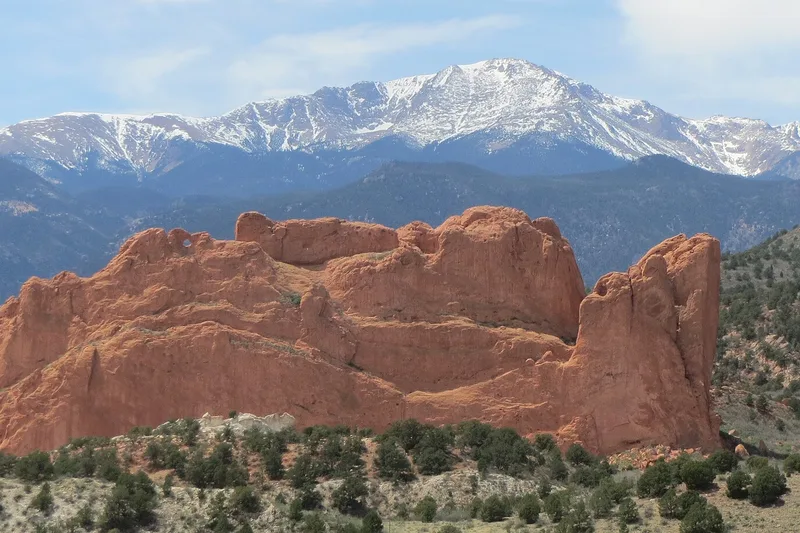
The City counts nearly 20,000 acres of municipally owned land, with 156 city parks and 160 miles of park trails, plus Garden of the Gods, free to visit, with 14,115-foot Pikes Peak right behind it.
Moving to Colorado SpringsSources: City and County of Denver Parks & Recreation; City of Colorado Springs media kit.
For ski weekends, Denver has the edge. From Union Station, Breckenridge is about 80 miles by road; from downtown Colorado Springs it is about 105. From Colorado Springs, though, Garden of the Gods is about 6 miles from downtown Colorado Springs, so a hike before work is easy.

Everyday feel and work
Denver feels like a big city. Downtown, Union Station and neighborhoods such as Cherry Creek and Washington Park put restaurants, shops and parks close together, and pro sports, concerts and the arts are part of everyday life. It is the state capital, and the RTD system and Denver International Airport make it easy to get around and get out of town.
Colorado Springs feels more spread out and more outdoors-first. The City lists five military installations, Fort Carson, Peterson and Schriever Space Force Bases, Cheyenne Mountain Space Force Station and the U.S. Air Force Academy, and it is the permanent home of U.S. Northern Command and U.S. Space Command. The U.S. Olympic & Paralympic Committee has been headquartered here since 1978. Utilities are simple too: in-city homes get electric, gas, water and wastewater from community-owned Colorado Springs Utilities.
Living in between
If you need both cities, you don’t have to pick an end of I-25. Downtown Castle Rock is about 40 miles from downtown Colorado Springs and about 30 miles from Denver Union Station. The north end of Colorado Springs, including Flying Horse, and the town of Monument also shorten the Denver drive. For luxury neighborhoods across the city, see my Colorado Springs luxury homes page. See my Moving to Castle Rock guide and Castle Rock luxury homes page.
How to choose
- Choose Denver if you want a big-city lifestyle, light rail, quick access to Denver International Airport, or a shorter drive to the ski areas.
- Choose Colorado Springs if you want lower Census home values, Pikes Peak and Garden of the Gods close to home, a slightly milder summer, or you are stationed at one of its installations.
- Look in between if your household has ties to both, and test the I-25 drive at rush hour before you commit.
- Compare total monthly cost, not just price: mill levies, metro districts, HOA dues and utilities vary by address in both cities.
Ready to dig in? Read my Moving to Colorado Springs guide, my Denver buyer’s guide and how to choose the right Denver suburb, or see every town I serve on my Colorado relocation page.